
In the final tour of my naval medical career, I was assigned to instructor duty at Navy medicine training support center. The command is located at Ft. Sam Houston in San Antonio, TX. After a 21-year career of various instructional delivery to several people around the world, I finished my career teaching water treatment programs and parasitology. These two subjects were part of a military preventive medicine program that was intended for Navy and Army personnel. The water classes were given to both service branches, but parasitology was only directed towards the Navy students. It was a two week stretch that covered the basics of parasitology within the context of military medicine. It was also given after a solid two weeks of general microbiology which covered the basics of the other main microorganisms of human concern such as bacteria, viruses, and fungi.
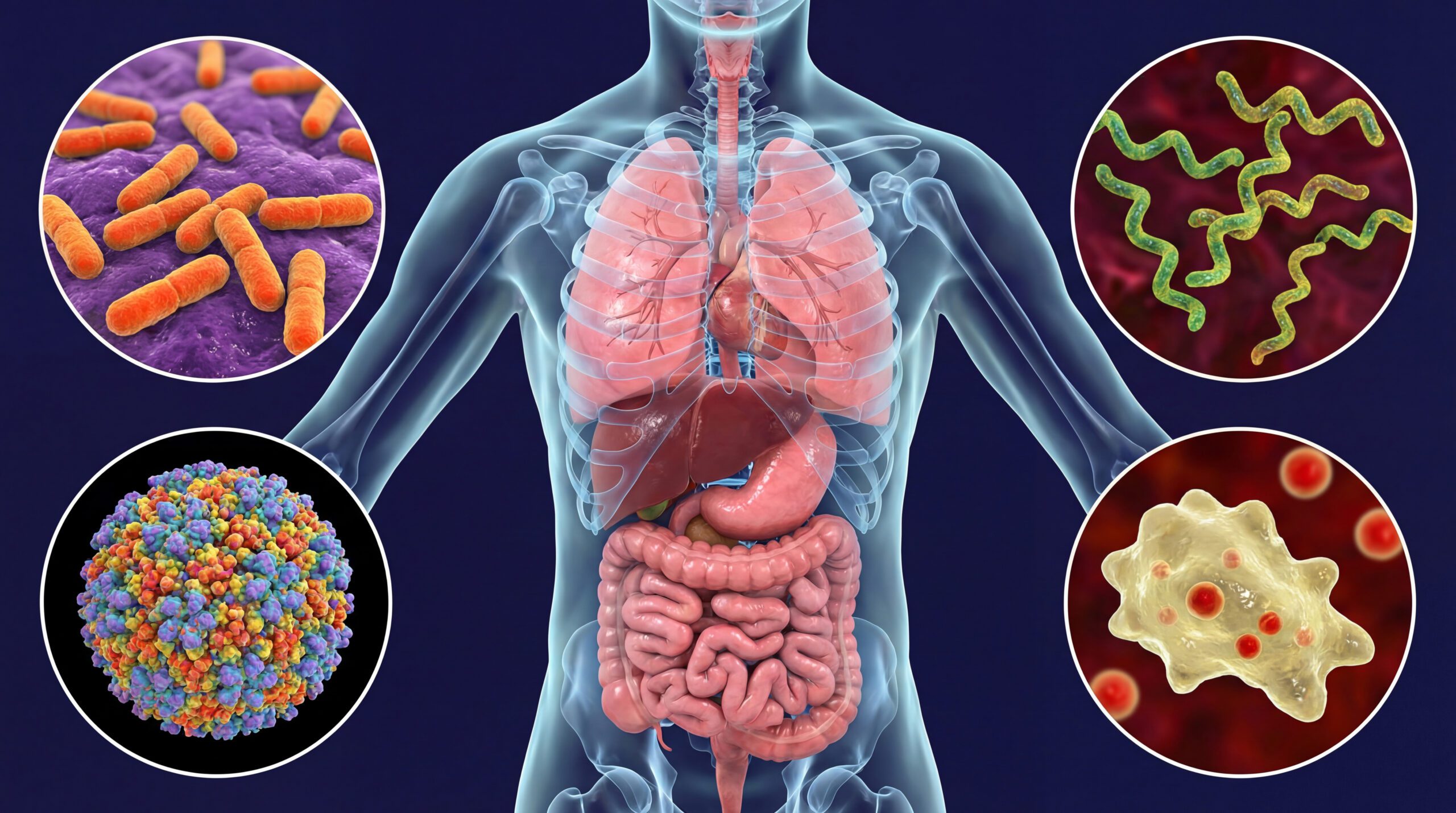
As a military medical subject, understanding the roles of parasites and how to mitigate the disease and illness causing mechanisms is critical. From a scientific standpoint, the two main organisms that were studied were helminths and protozoa. These two different types of parasite organisms manifest different characteristics, but they both are caused by similar activities and environmental factors. Before we dove into analysis of these two, we discussed the main principles of parasitology and conceptual terms. Biological terms like, “Hosts, reservoirs, and symbiosis” served as foundational reminders of the subject matter. Given the tempo and speed of our specific training program, one of our goals was to manage how in-depth and extensive our clinical coverage of the actual parasitical behaviors. The degree of depth however depended on the nature of each parasite and substantive information was provided on the identification, modes of transmission, laboratory diagnosis, and their pathological features.
Helminthology is the study of a certain class of parasites such as nematodes, cestodes, and trematodes. These kinds of parasites and their transmission involve exposure to livestock, a variety of animal species, and highly pathogenic fecal matter. A key point that was consistently discussed in studying these parasites was the different types of agricultural practices that were utilized around the world. The distinction between agricultural practices and sanitary safeguards in industrialized nations as opposed to more impoverished nations is a critical factor. Another major consideration is demographic and geographical factors that greatly influence the infection rates among people along with medical treatment available. Protozoology was the second class of parasites we discussed. Among the most famous diseases in this category is malaria. The life cycles, morphology, and physical characteristics of these organisms is different from helminth worms, but the pathological features are somewhat similar. In other words, both protozoa and helminth based invasions and diseases can be very problematic and cause very distressing symptoms on the victims.
As instruction was provided to the students, followed by assessments testing their knowledge, the main emphasis was on prevention and treatment. To an earlier point, physicians and veterinarians may receive more extensive clinical information, but for the preventive medicine technicians in this program, inculcating common sense and practical awareness was the main goal. The most important way to prevent parasitical transmission or reduce its chances of attacking service members is operational preventive measures. Many times, the type of parasite and its mode of transmission dictate the type of preventive measure. When it comes to malaria, mosquito-bite prevention using bed-nets, vector control, and prophylactic measures like oral and topical medications are practiced. For many helminths where the infections are customarily transmitted via the fecal oral route; proper handwashing, strong sanitation measures, and properly cooked foods to the appropriate temperature are the main methods of control.
After two weeks of parasitology training, the Naval preventive medicine technicians trained on a couple more subjects before they eventually graduated and moved on to their next duty stations. Teaching parasitology was a solid experience that allowed us to explore the interconnection between some very common clinical criteria and the military enforcement of conditions that can help mitigate the transmission of disease. Effective force protection and disease is a critical factor in military success regardless of the climate, operation, or campaign. Warfighters must remain vigilant on environment factors affecting health. The classical military discipline of cleanliness and sanitation can make a difference on the readiness of the force as history teaches us.